Does AHERA Apply to Charter and Private Schools?
Yes. AHERA applies to public school districts, public charter schools and private nonprofit K-12 schools, including religious schools. ...
Read More 
Reviewed & rated by customers


Member of & trained to industry standards


Credentials & standing
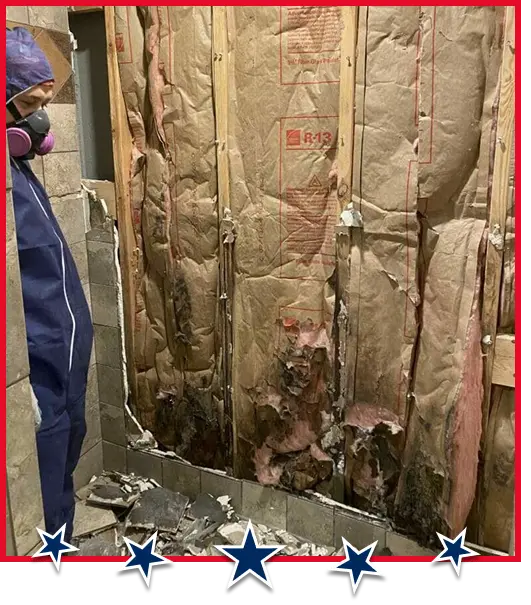
A mold inspection is a complete evaluation of a property to determine if mold growth is present, what type may be developing, and what conditions are allowing it to thrive. Unlike a simple visual check, a professional inspection includes specialized tools and diagnostic testing to uncover mold that may be hidden behind walls, under flooring, inside HVAC systems, and other areas you cannot see.
A high-quality mold inspection focuses on:
Identifying visible and hidden mold growth
Locating active moisture sources
Detecting humidity or ventilation problems
Evaluating past or current water damage
Providing recommendations for remediation
Whether for a home, apartment, business, or industrial facility, a mold inspection helps prevent long-term damage and ensures a healthy environment.
Start here and we will take it from there.
Testing and surveys to confirm what you have.
Learn more ›Pre-renovation and pre-demolition surveys and abatement.
Learn more ›AHERA inspections, reinspections and plans.
Learn more ›Inspection, testing and remediation.
Learn more ›Fast response and a same-day callback on weekdays.
Learn more ›Asbestos, mold and lead work documented for your adjuster.
Learn more ›Every inspector on our team is NORMI-certified, trained, and experienced in identifying mold problems in all types of buildings. Our process follows industry standards to give you accurate and trustworthy results.
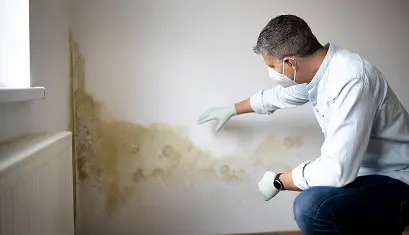
We inspect every area of concern, walls, ceilings, flooring, bathrooms, kitchens, basements, crawl spaces, and attics, looking for moisture, staining, discoloration, and structural issues.
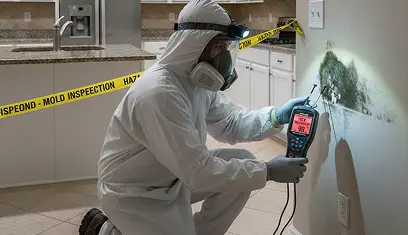
Using advanced moisture meters and hygrometers, we identify elevated humidity levels and trace water intrusion back to its source.
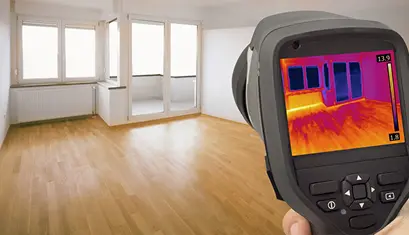
Thermal cameras reveal temperature variations that point to hidden moisture behind walls, insulation, or building materials.

Air and surface samples are collected and analyzed by an accredited laboratory to identify mold types and concentrations.
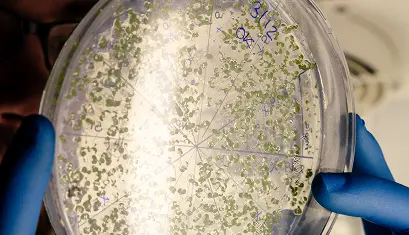
You receive a full breakdown of the mold species present, their levels, and potential health risks.

You receive a clear action plan outlining next steps, including whether remediation or moisture control is needed.
Many homeowners confuse mold inspection with mold testing, but they are not the same service.
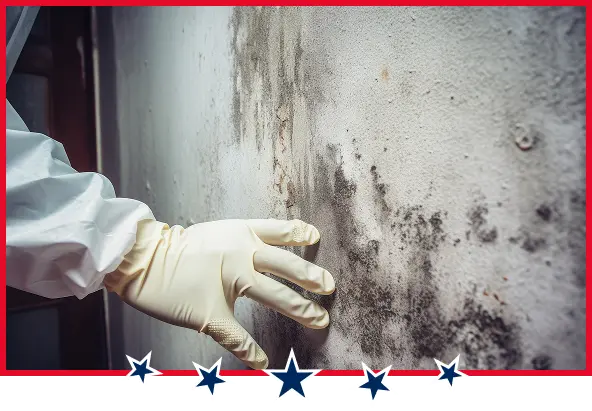
A mold inspection helps identify whether mold is present and where it’s coming from. Our NORMI-certified inspectors evaluate affected areas, identify moisture sources, and determine the extent of contamination before starting remediation.
Mold testing provides precise information about the type and amount of mold inside your property. When needed, we collect samples and send them to an accredited lab to confirm species and airborne spore levels.
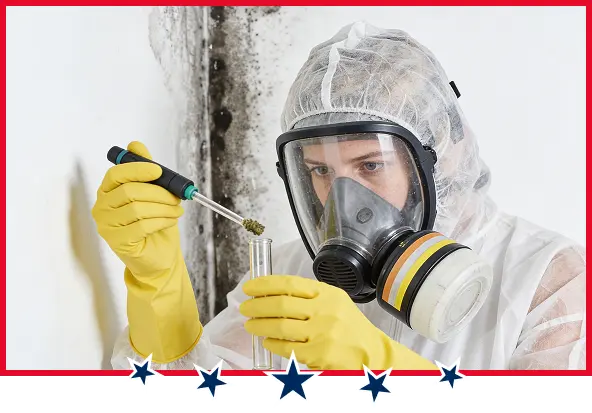
Most properties need inspection first, and testing only if needed.
Every inspector on our team is NORMI-certified, trained, and experienced in identifying mold problems in all types of buildings. Our process follows industry standards to give you accurate and trustworthy results.
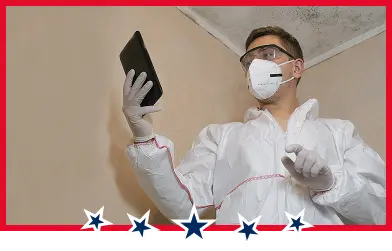
Homes are especially vulnerable to mold due to plumbing leaks, roof damage, basement moisture, and HVAC issues.
We inspect:
Bedrooms, bathrooms, living areas
Attics & crawl spaces
Basements
Laundry rooms
A/C closets & air handlers

Businesses and industrial buildings require a more technical approach due to larger spaces and more complex systems.
We inspect:
Offices
Retail spaces
Restaurants
Warehouses
Industrial facilities
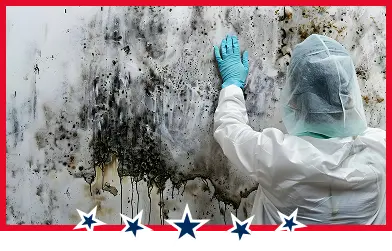
Black mold (Stachybotrys chartarum) can release toxins that affect respiratory health. If you see dark staining, smell musty odors, or suspect black mold, a specialized inspection is essential.
We use advanced detection equipment and sampling methods to identify toxic mold safely.

Common signs that indicate a mold inspection is necessary include:
If any of these symptoms appear, a mold inspection should be performed immediately to prevent further damage.


A professional mold inspection includes a visual assessment of the property, moisture mapping, identification of mold growth and water intrusion sources, air sampling, and surface sampling. Results are analyzed by an accredited lab. ES America provides a detailed written report with recommended remediation steps.
Mold inspection costs in Georgia vary based on property size and the number of samples required. ES America offers free quotes — call (404) 994-6006 or request a quote online.
You should schedule a mold inspection if you notice a musty odor, visible mold growth, recent water damage or flooding, unexplained allergy symptoms in occupants, or are purchasing a property. ES America provides same-week appointments across Georgia.
Yes. Our mold inspectors hold NORMI certification (CMI) and our remediation technicians are IICRC-certified (AMRT/WRT). We also hold the ACAC Council-certified Indoor Environmentalist (CIE) credential. Inspections follow the ANSI/IICRC S520 standard and samples go to an independent laboratory.
Mold can return if the underlying moisture source is not identified and corrected. ES America's remediation process includes moisture source identification and repair recommendations to prevent recurrence. Post-remediation testing confirms clearance.
ES America serves all major Georgia cities including Atlanta, Savannah, Augusta, Columbus, Macon, Roswell, Sandy Springs, Alpharetta, Athens, Valdosta, Albany, Marietta, and more. We also serve Alabama and South Carolina.
Simple, clear and in writing.
Call us or send what you have: reports, plans and photos.
A free, no obligation proposal based on the information you send. We reply the same business day.
Licensed crews follow AHERA, NESHAP, OSHA and state requirements, and you get the documentation at the end.

Whether you have a question about our services, pricing or anything else, our team is ready to help you get the service you require.
Asbestos, mold and lead projects move on deadlines: closings, permits, demolition dates. Here is what you can count on from us.
Sampled before 1 PM on a weekday?
Results the next business day.
Standard turnaround is 48 hours, so you are never left waiting on a lab to plan your project.

Call or text us on a weekday and our team calls you back the same day.
Call before 1 PM on a weekday and we can often inspect the next business day, sometimes the same day. Most visits happen within 48 hours.
Your free written quote within 48 hours of receiving your lab results.
Trained staff answer your call. Trained technicians do your visit. No call centers.
Licensed in Georgia (ASBRN-382008), South Carolina (CO-000859) and Alabama (ASB40262). Work performed under EPA NESHAP (40 CFR 61 Subpart M) and OSHA 1926.1101.
Free written quote based on the information you send. We reply the same business day.